Features

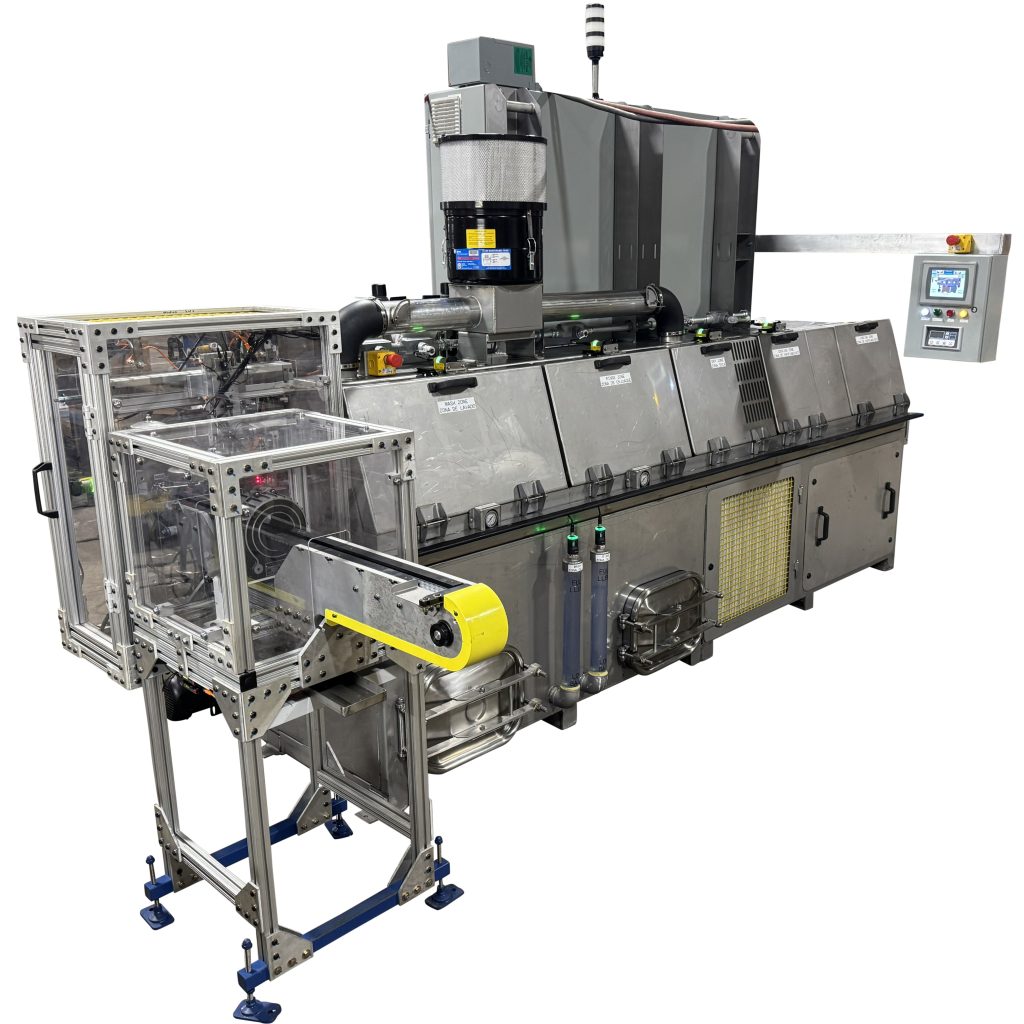
At Inline we engineer each washer to order, meaning you get a washer designed specifically for you. Below is a list of common features and options that we include in our designs to make each washer ideally suited to cleaning your parts, and incredibly easy to operate and maintain:

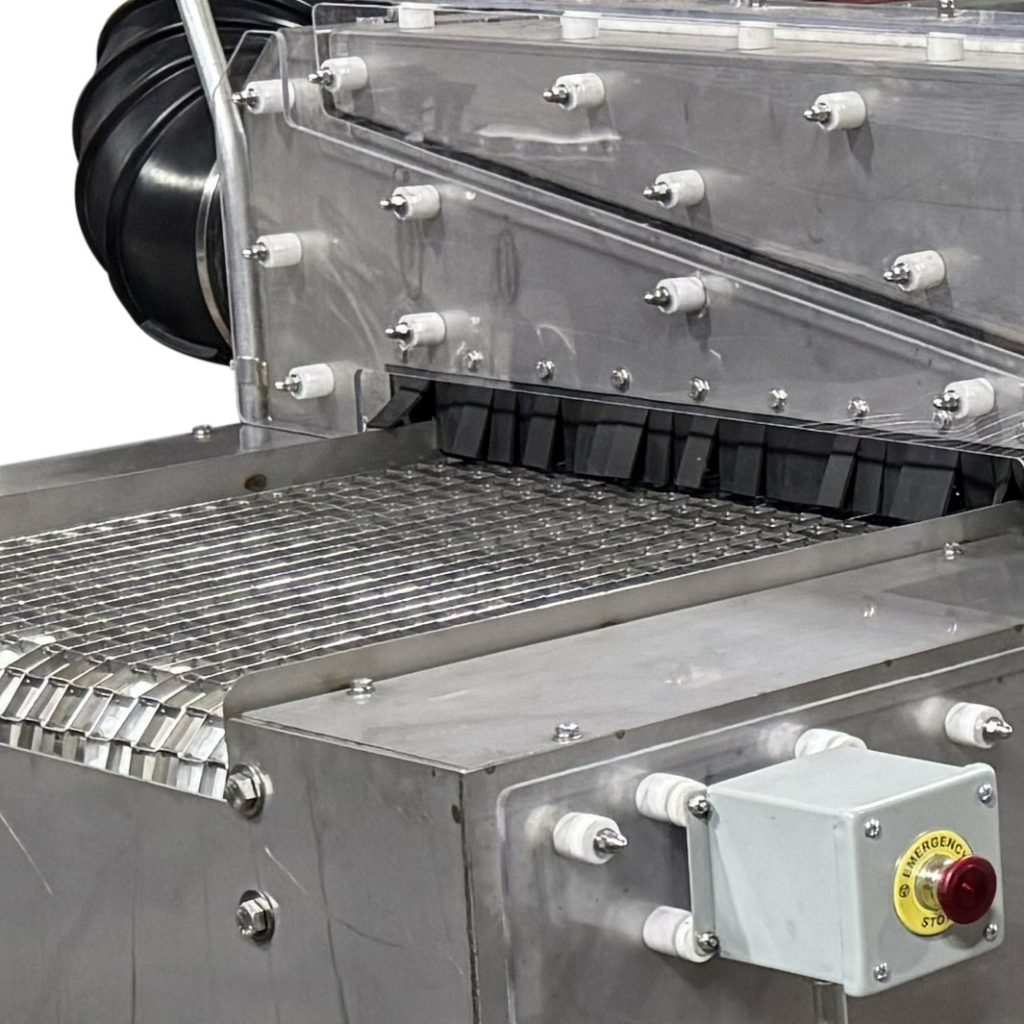
Clear panels provide a complete view inside the machine, and raise up easily to allow full access to the zones and vestibules.  Panels include a special coating on both sides that is abrasion and chemical resistant for years of trouble-free operation.

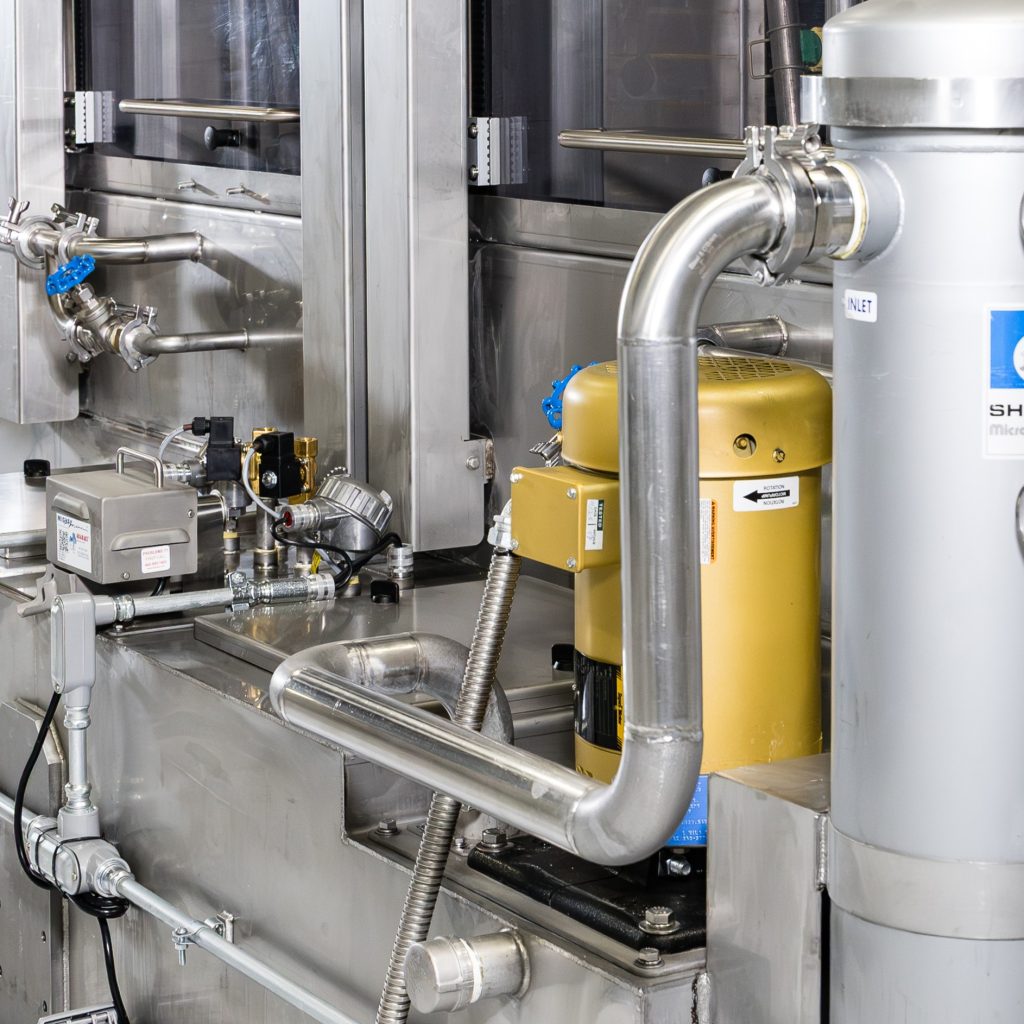
Inline Cleaning Systems industrial parts washer featuring stainless steel construction, stainless steel piping, and hard electrical conduit.

We start with a stainless steel tube frame, and then use 11 gauge stainless steel sheet metal for the majority of the machine.  All piping is welded stainless steel tube with sanitary connections (no hoses).

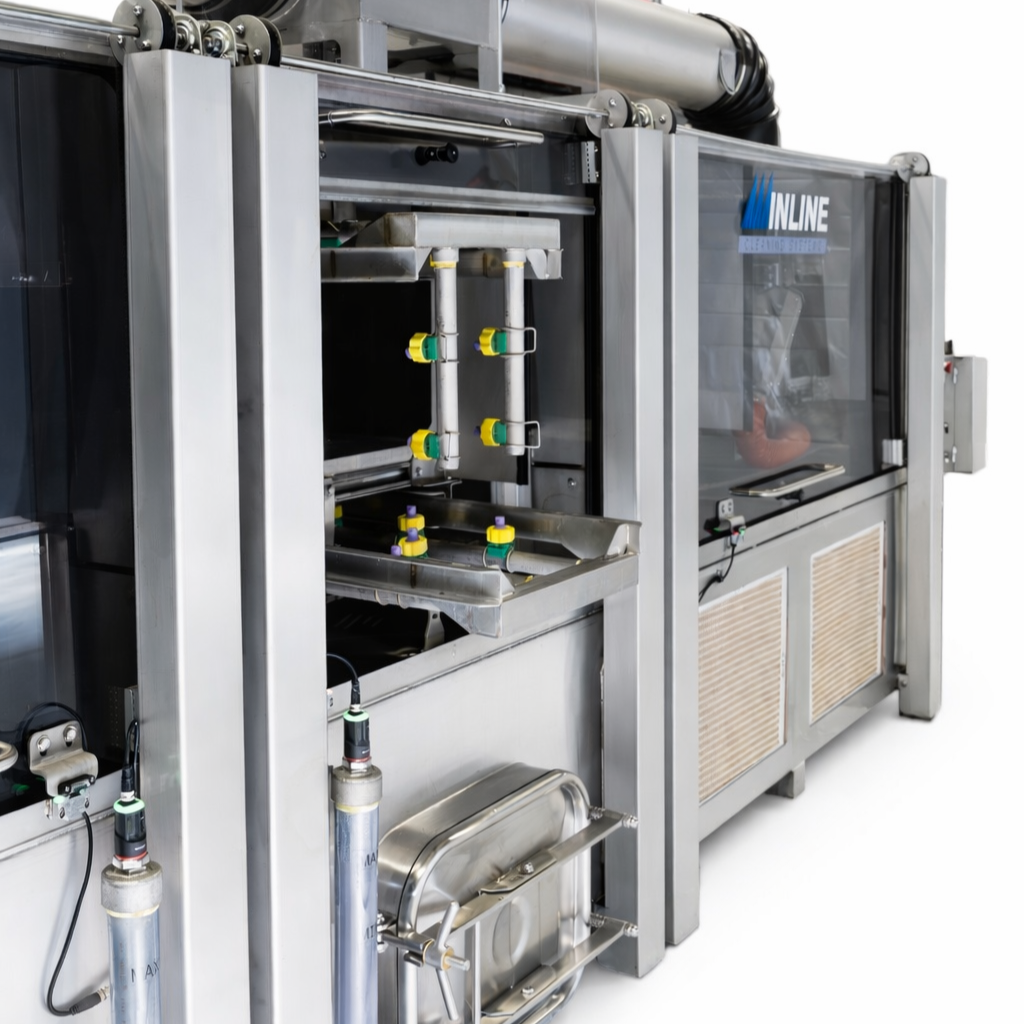
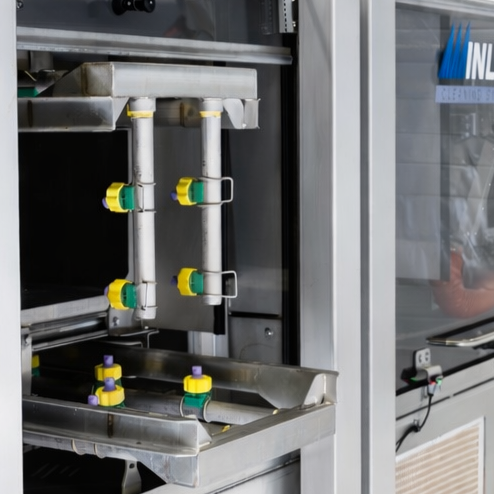
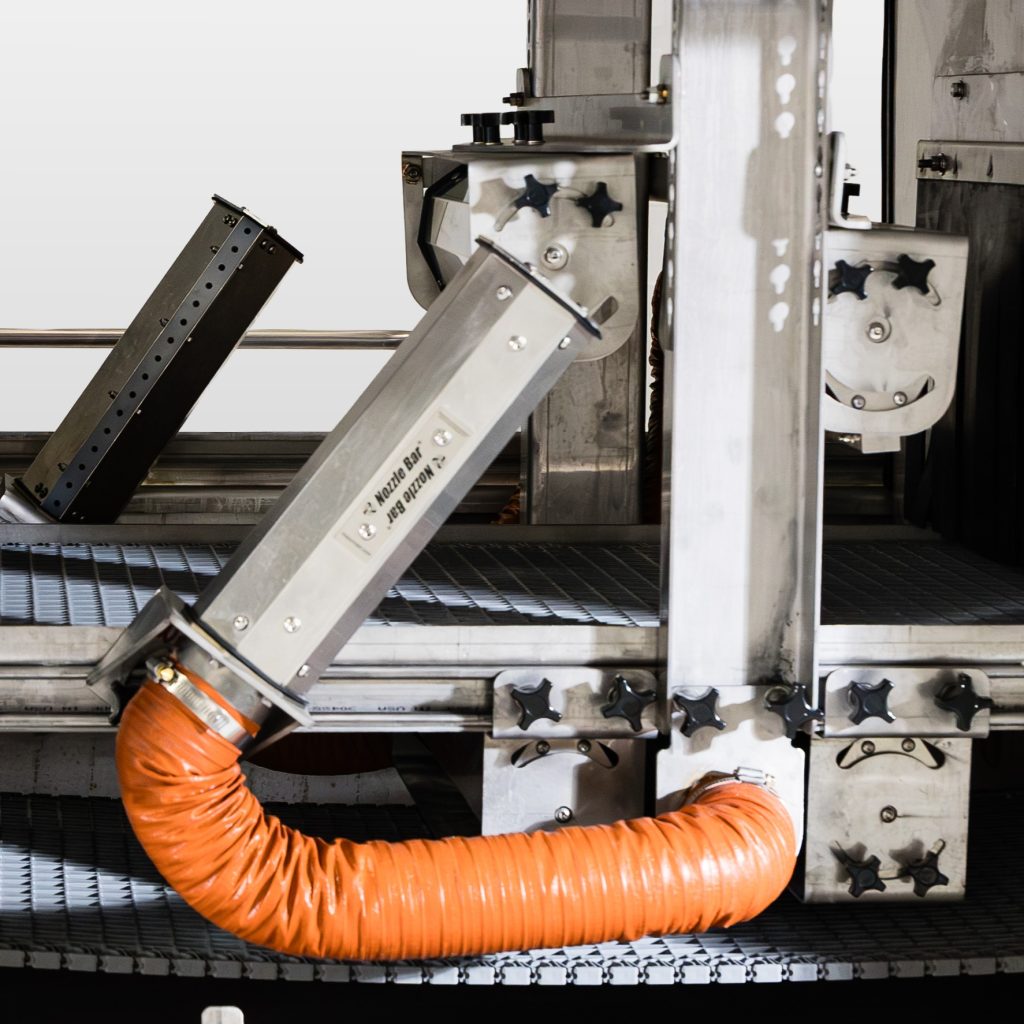
The upper and lower manifolds pull out completely, making adjustments or cleaning quick and easy.

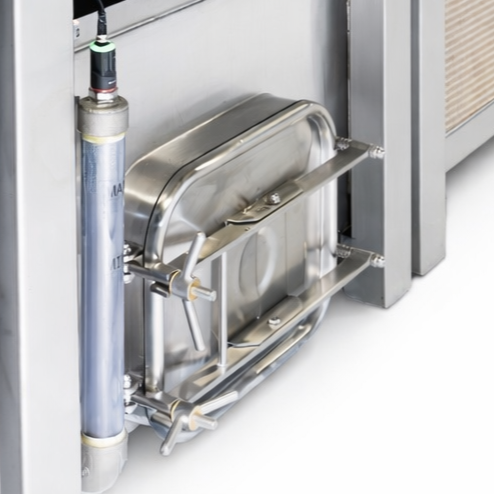
Hinged access door on an industrial parts washer sump for providing cleaning and maintenance access.

We include a hinged marine door standard in every tank to make cleaning easy whether you use a spray nozzle or squeegee.

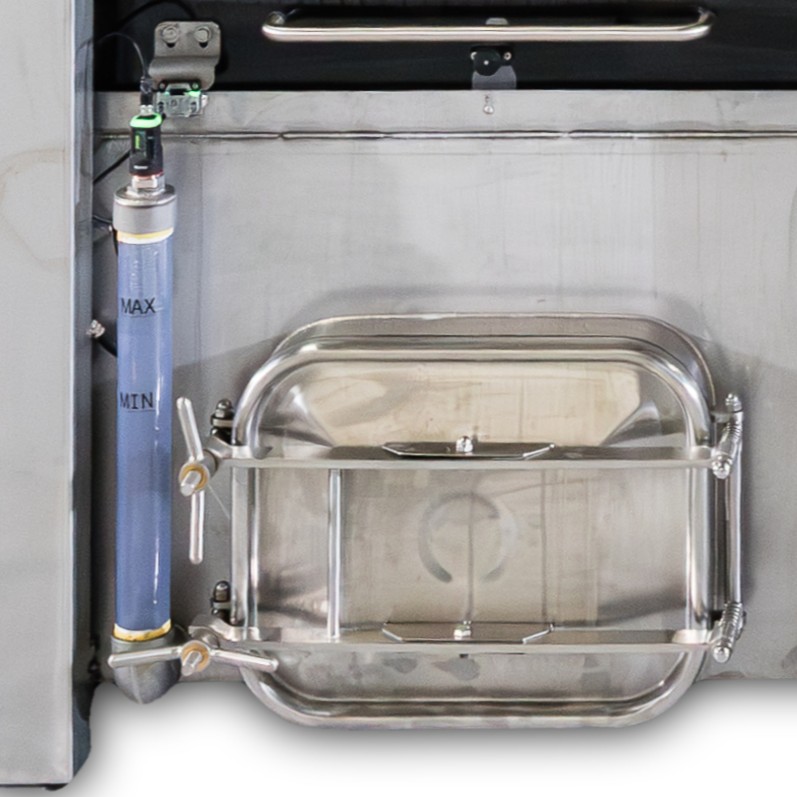
Front view of an industrial parts washer sump including a hinged access door and a sightglass with radar sensor for level control.

Tank level is clearly visible in the sight glass located on the operator side of the washer.  A radar sensor measures the water level directly and indicates the level visually with LED lights.   

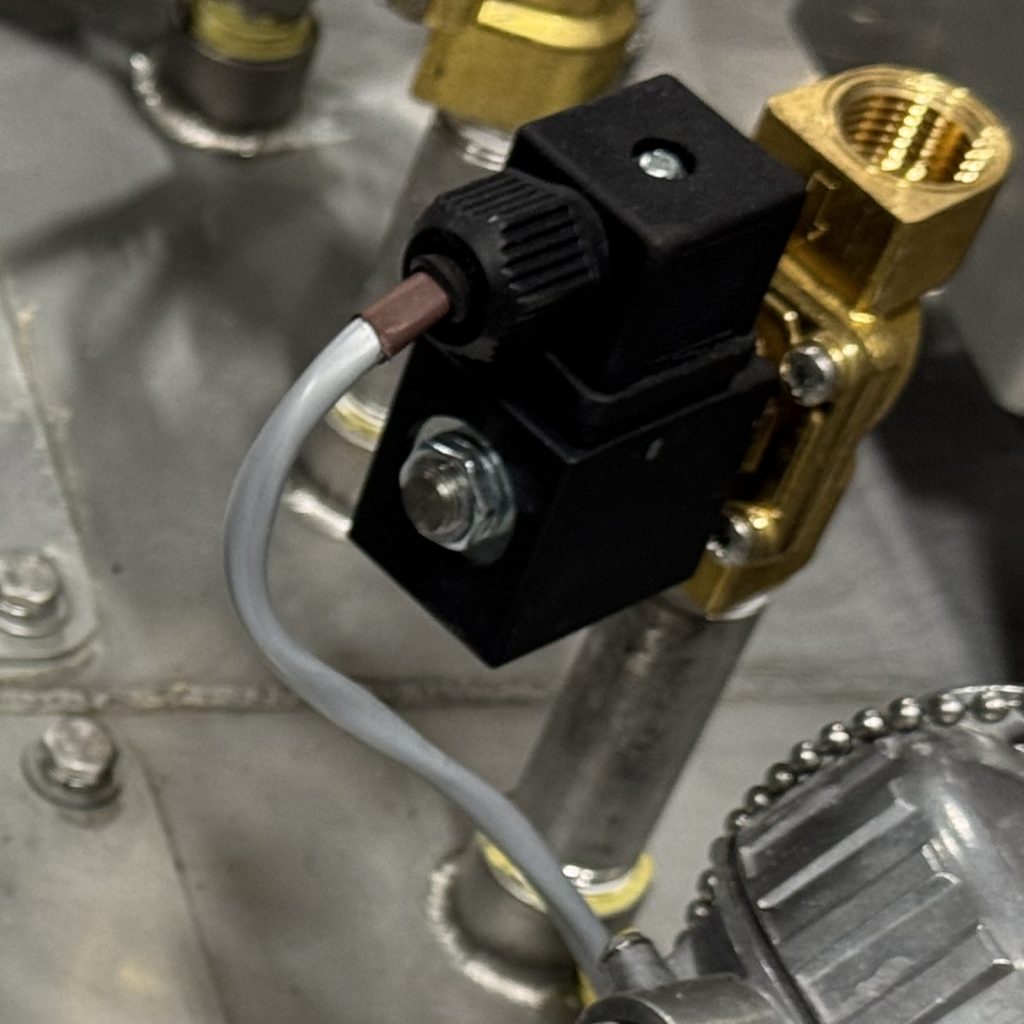
Close-up of an electric solenoid valve which automatically fills an industrial parts washer.

Water is automatically added to the sump with a solenoid valve whenever the level sensor calls for more water.

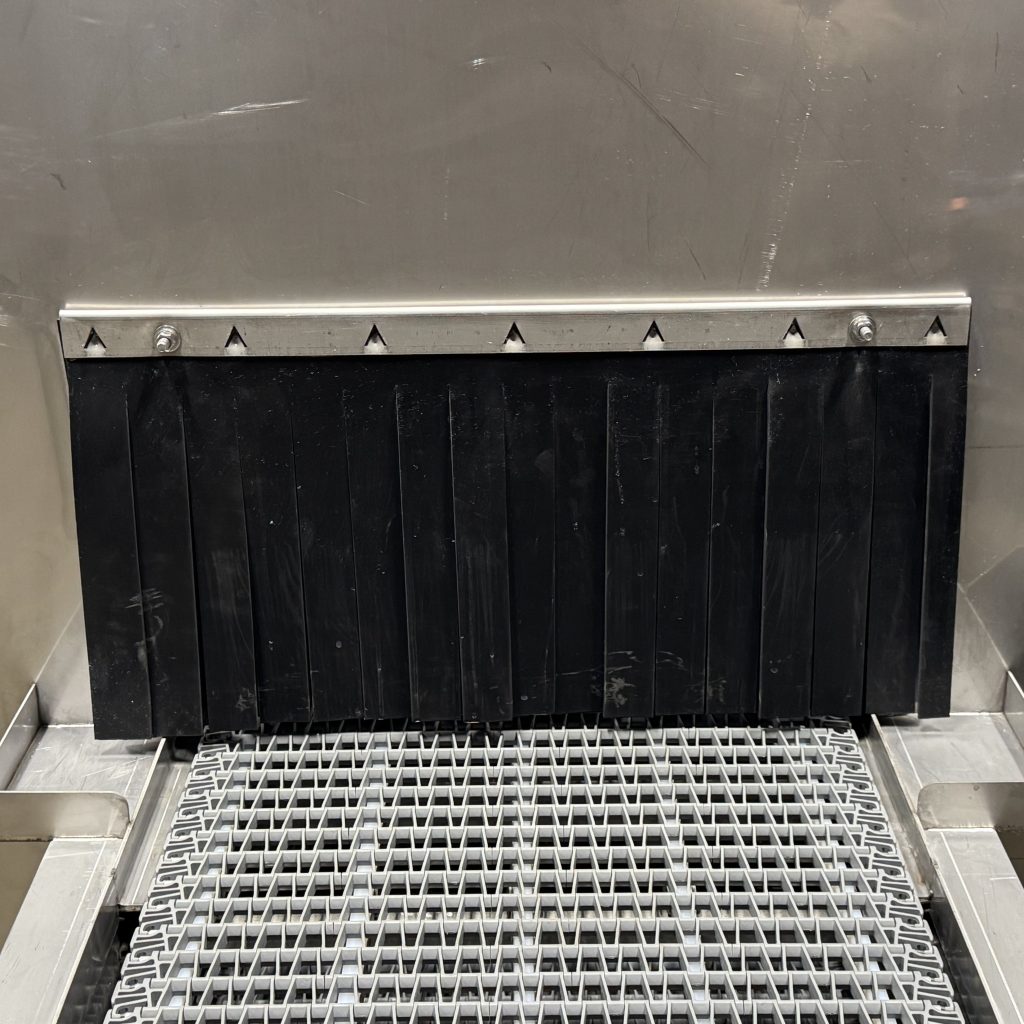
Entrance to an industrial parts washer showing a plastic mesh conveyor passing under removable black rubber curtains

Curtains are installed in a stainless steel frame with just 2 bolts.

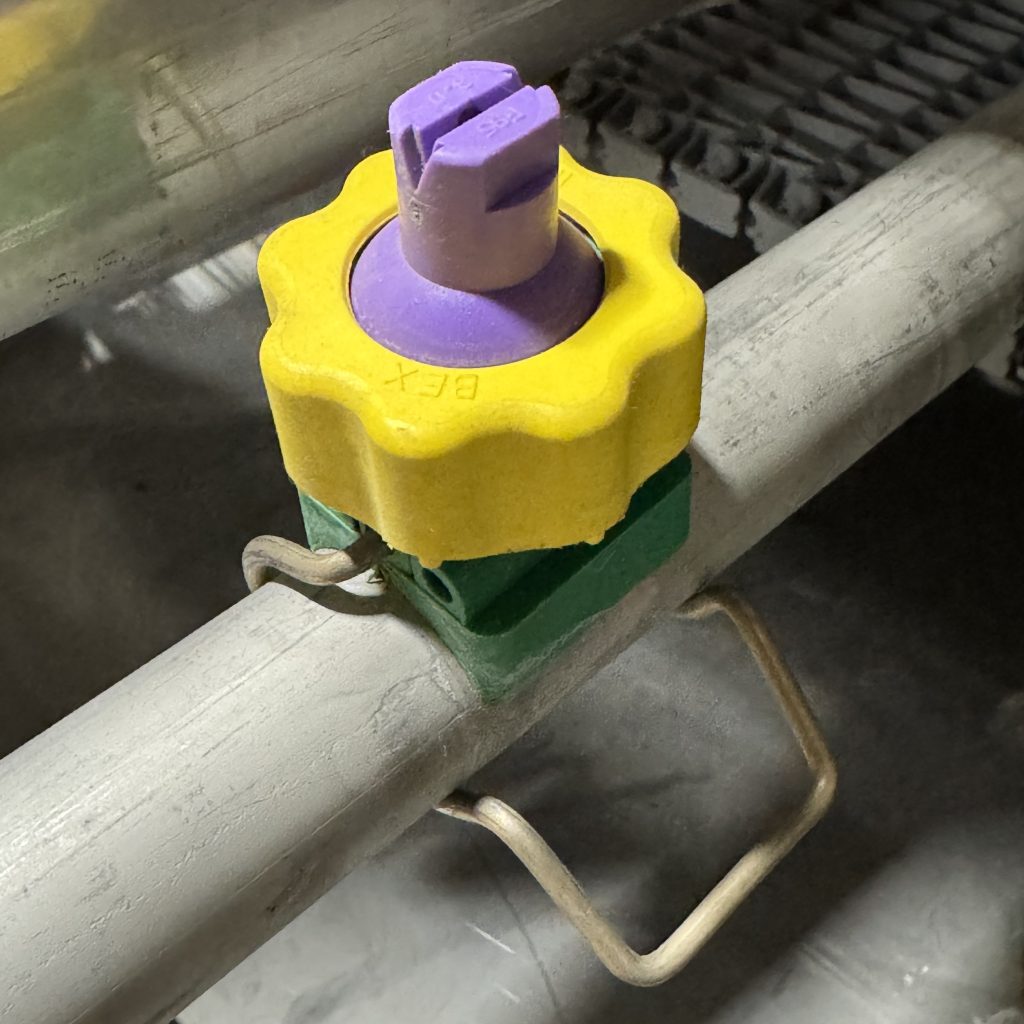
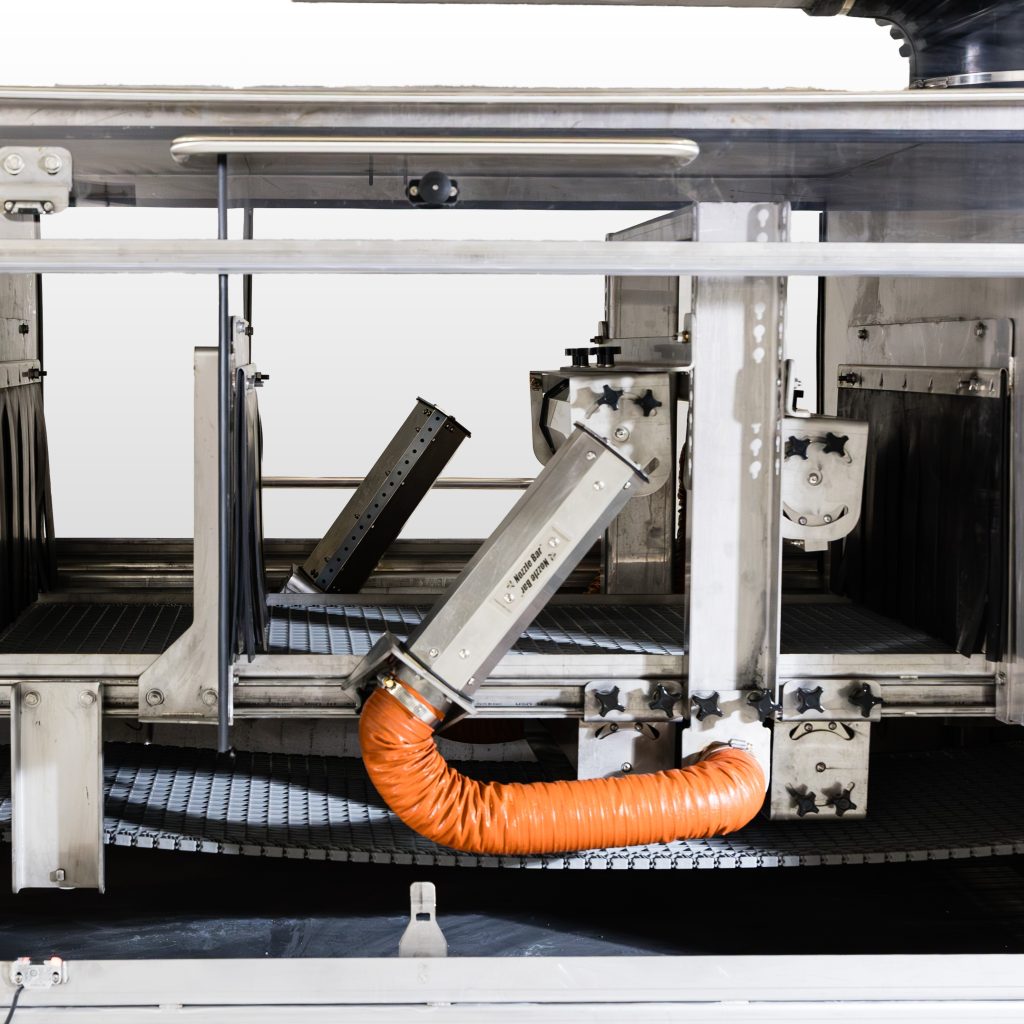
industrial parts washer spray manifold featuring stainless steel pipes and adjustable plastic spray nozzles.

Nozzles can be quickly replaced or adjusted without tools, and are available in a variety of spray patterns and flow rates.

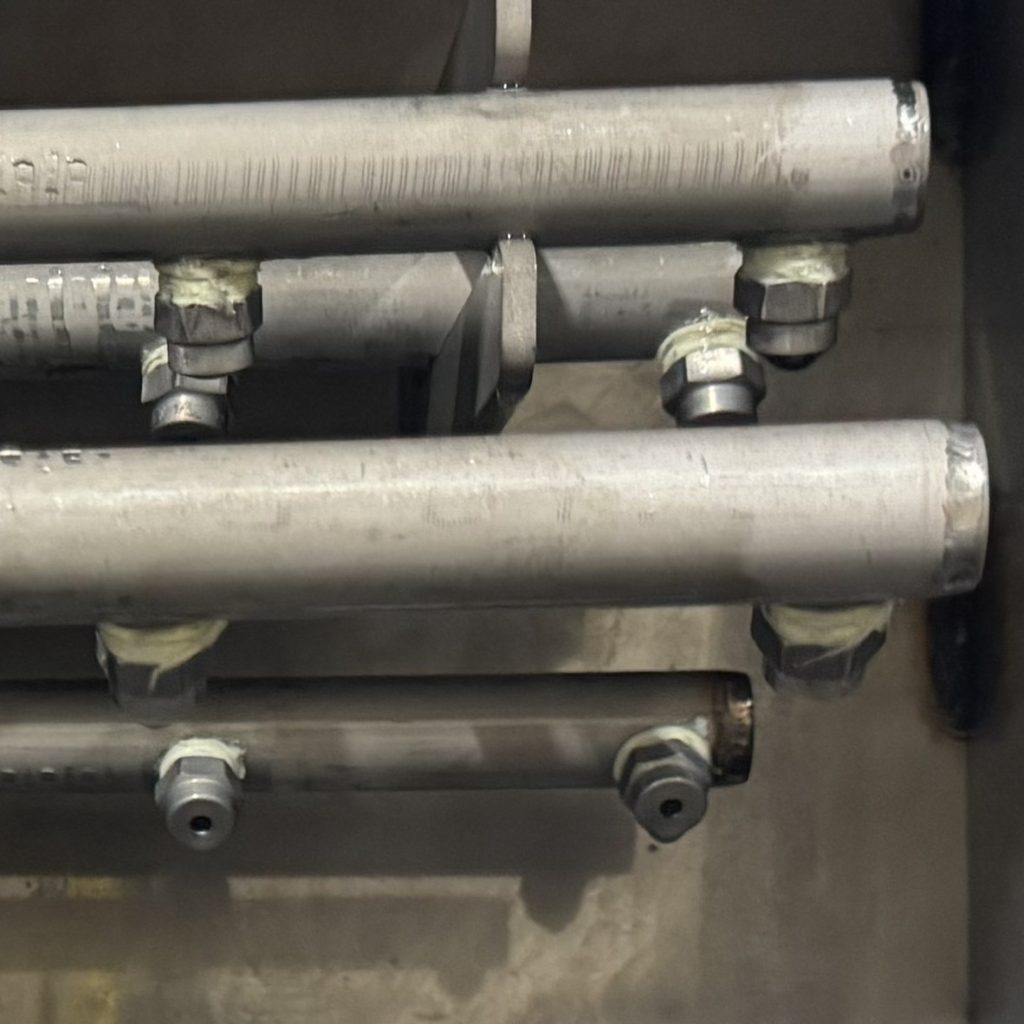
Industrial parts washer spray manifold featuring stainless steel pipes and spray nozzles.

Stainless steel nozzles fit into tight spaces on smaller washers and provide additional spray options such as misting applications.

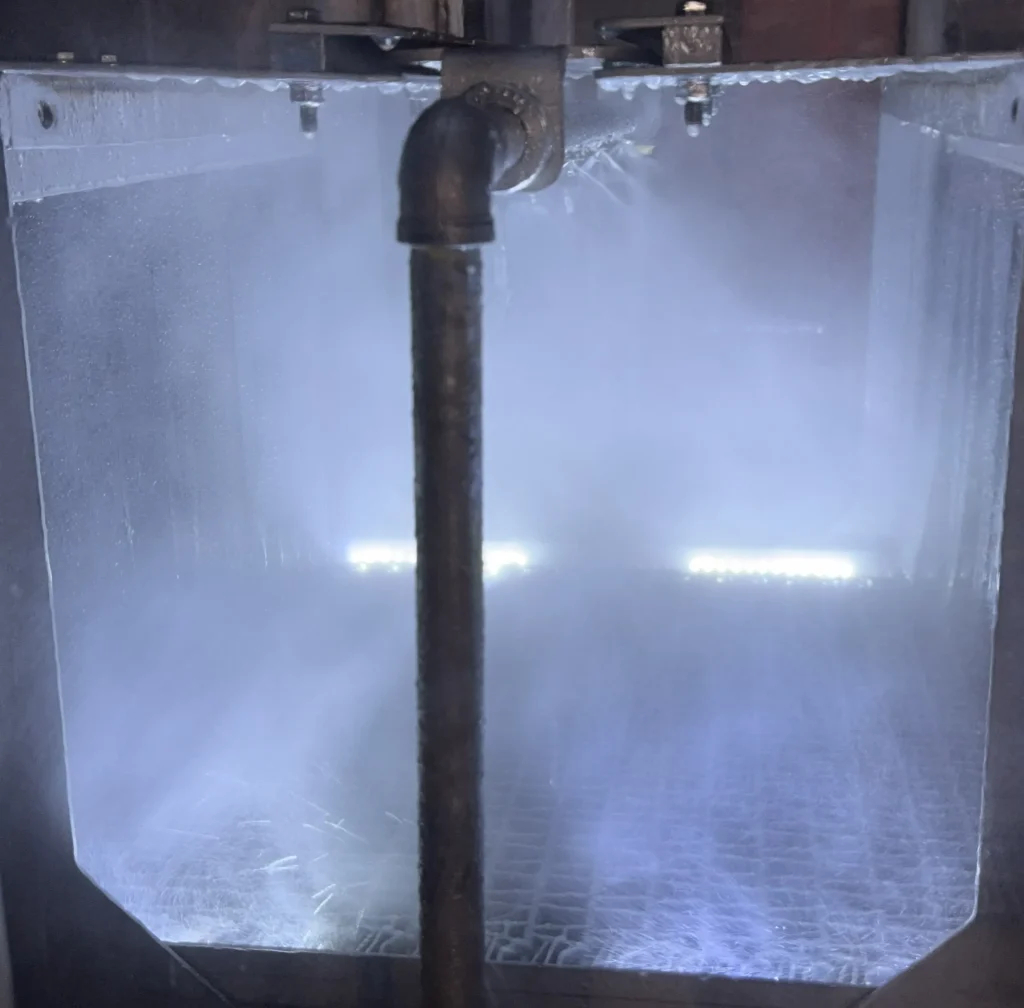
Halo rinse zone of an industrial parts washer with misting nozzles spraying deionized water.

DI or RO water is misted onto the part to provide a spot-free finish.  The halo rinse does not recirculate, but water is drained into the standard rinse zone for reuse.

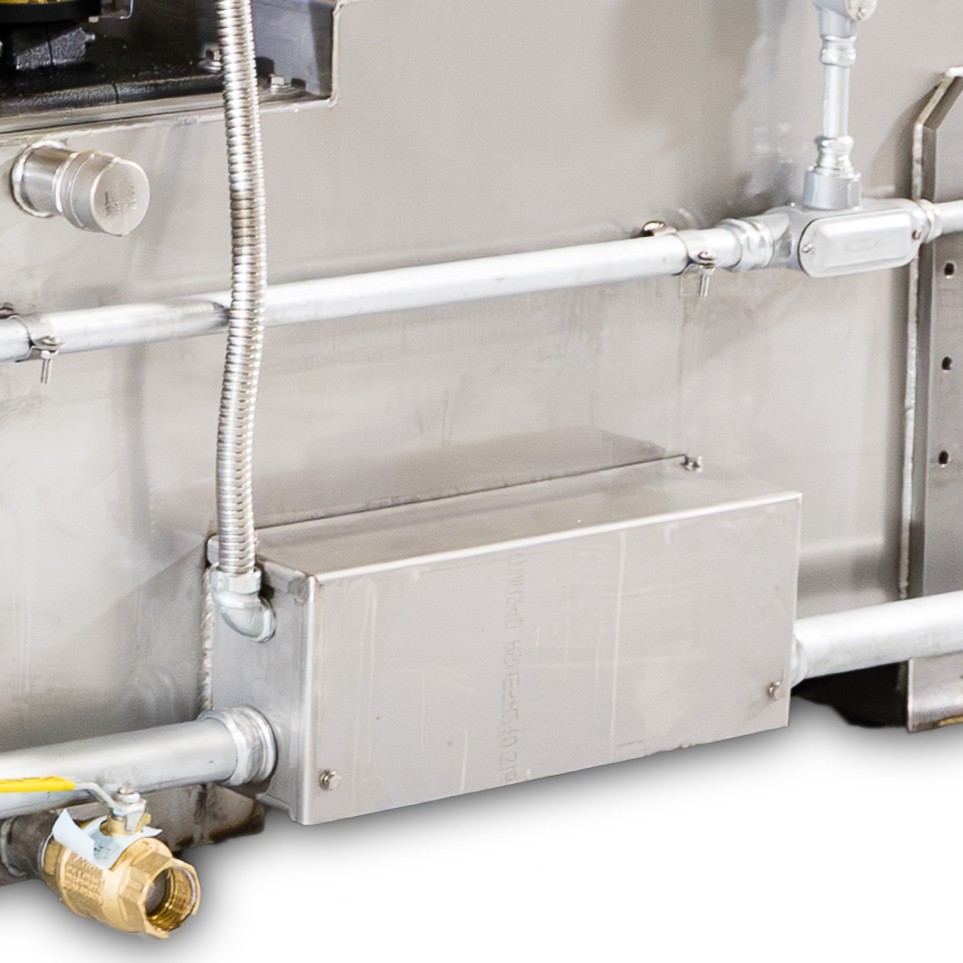
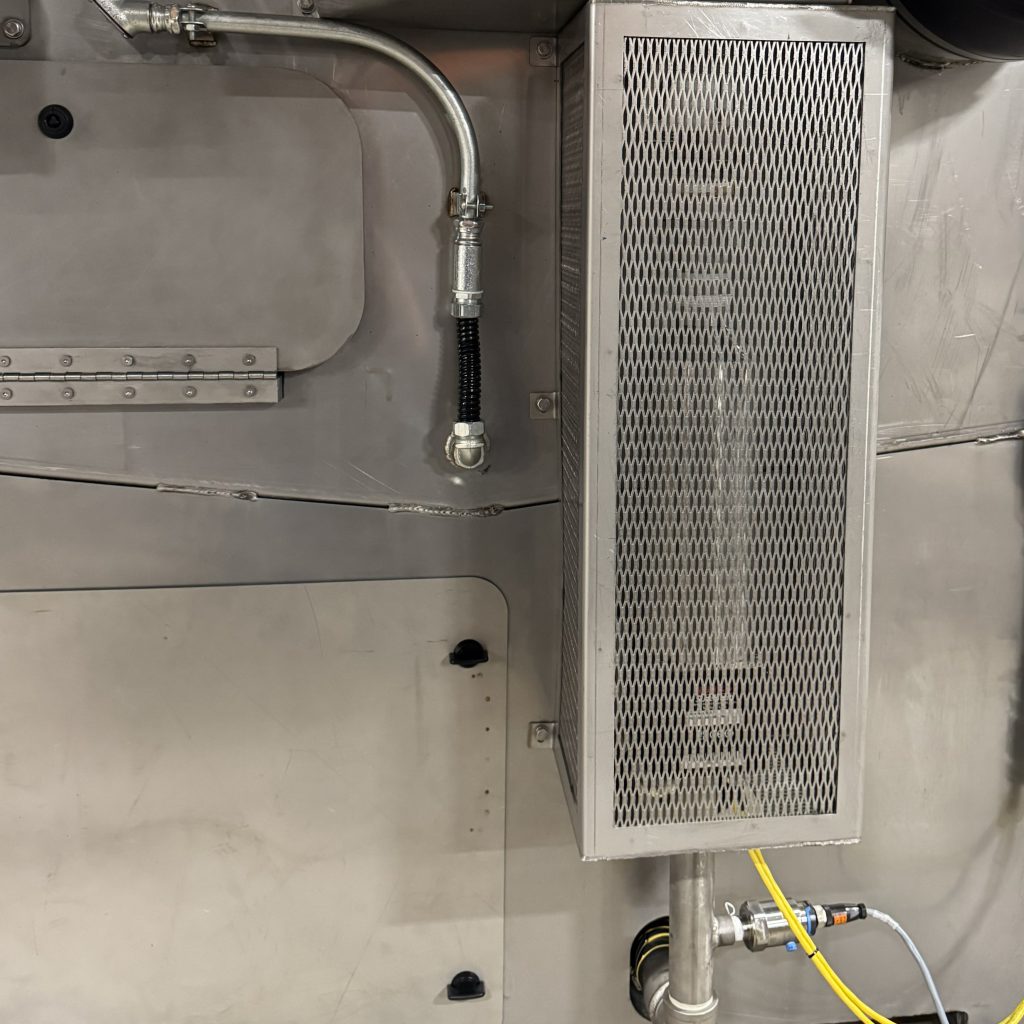
electrical conduit and a stainless steel box containing electric immersion heaters for an industrial parts washer sump.

Electric immersion heaters provide efficient, cost-effective heating for small and medium sized washers.  

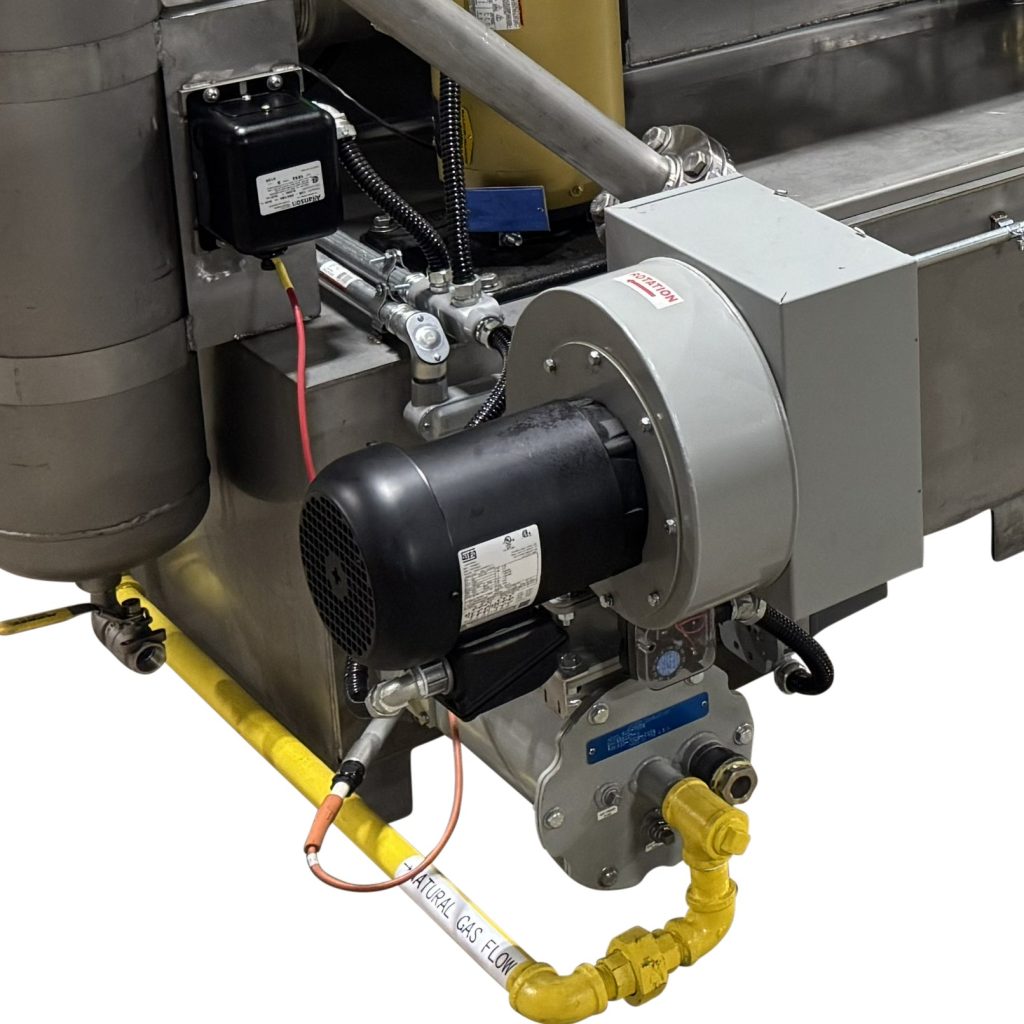
Immersion tube gas burner for heating wash or rinse water on an industrial parts washer.

Inline recommends gas burners for applications with large tanks (400+ gal), high temperature (over 160F), or when electric power consumption must be minimized.

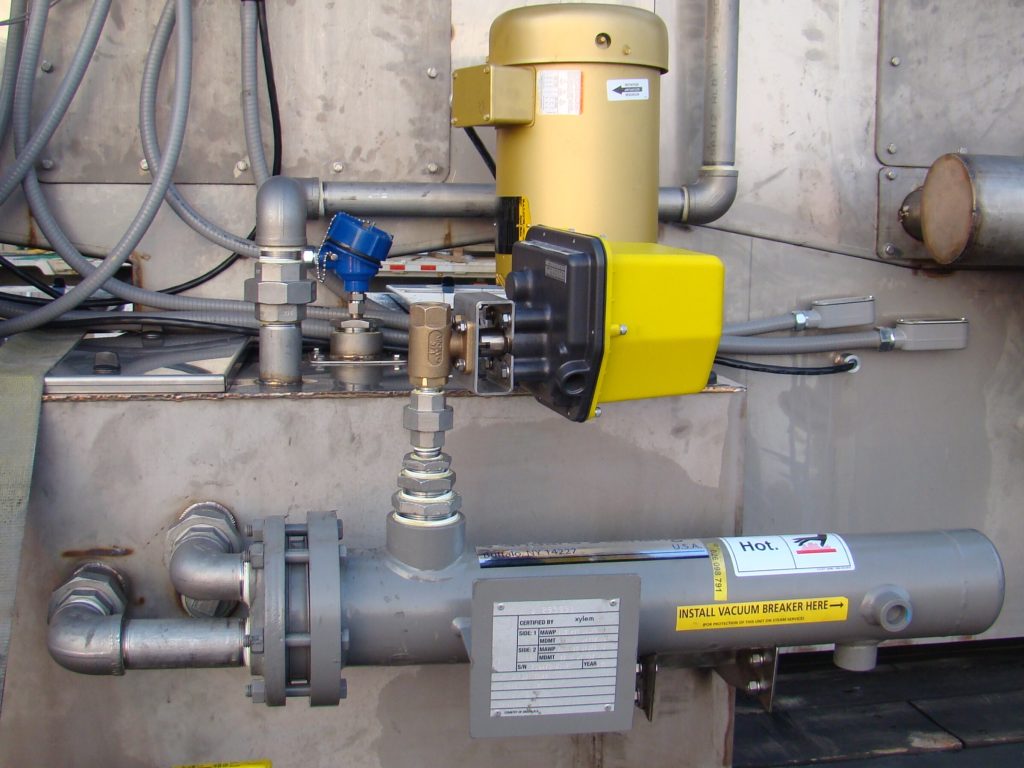
Heat exchanger and circulation pump mounted to an industrial parts washer for heating wash or rinse water using steam heat.

Steam heat is a cost-effective way to heat the tank when excess plant steam is available at the washer.  Inline includes a shell and tube heat exchanger and a separate circulation pump for the heat exchanger loop.

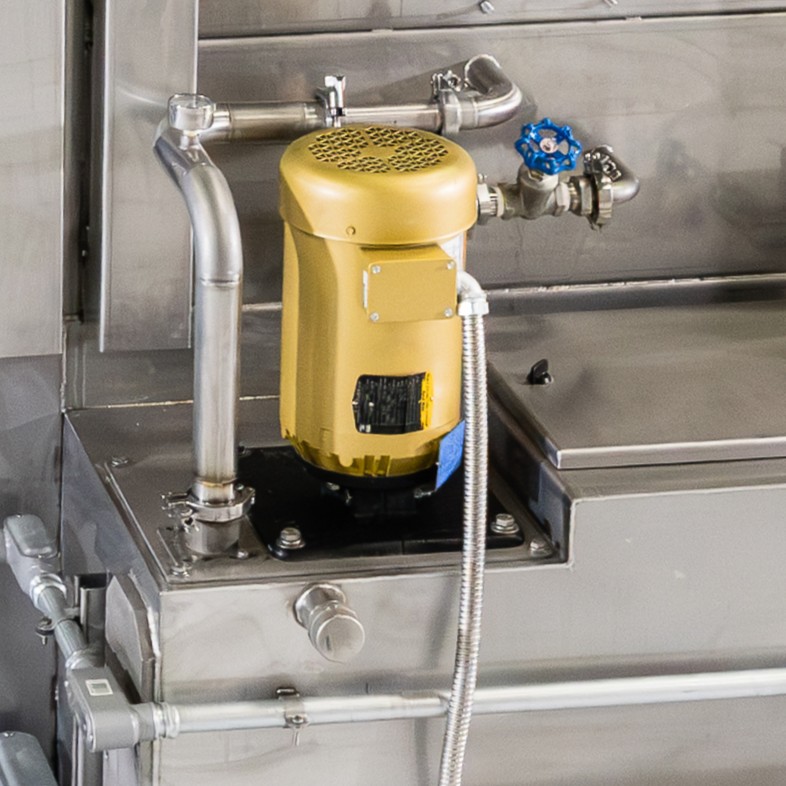
A vertical centrifugal pump on an industrial parts washer with removable piping and a manual control valve.

Vertical seal-less pumps are easy to maintain, and if needed can lift straight up from the washer by just removing 4 bolts and a sanitary connector.

Dry zone of an Inline Cleaning Systems parts washer with ClearView panel raised showing finger adjustments for air knife position

The ClearView Tunnel includes a Unistrut mounting system which makes moving zone dividers or air knife mounting brackets easy.

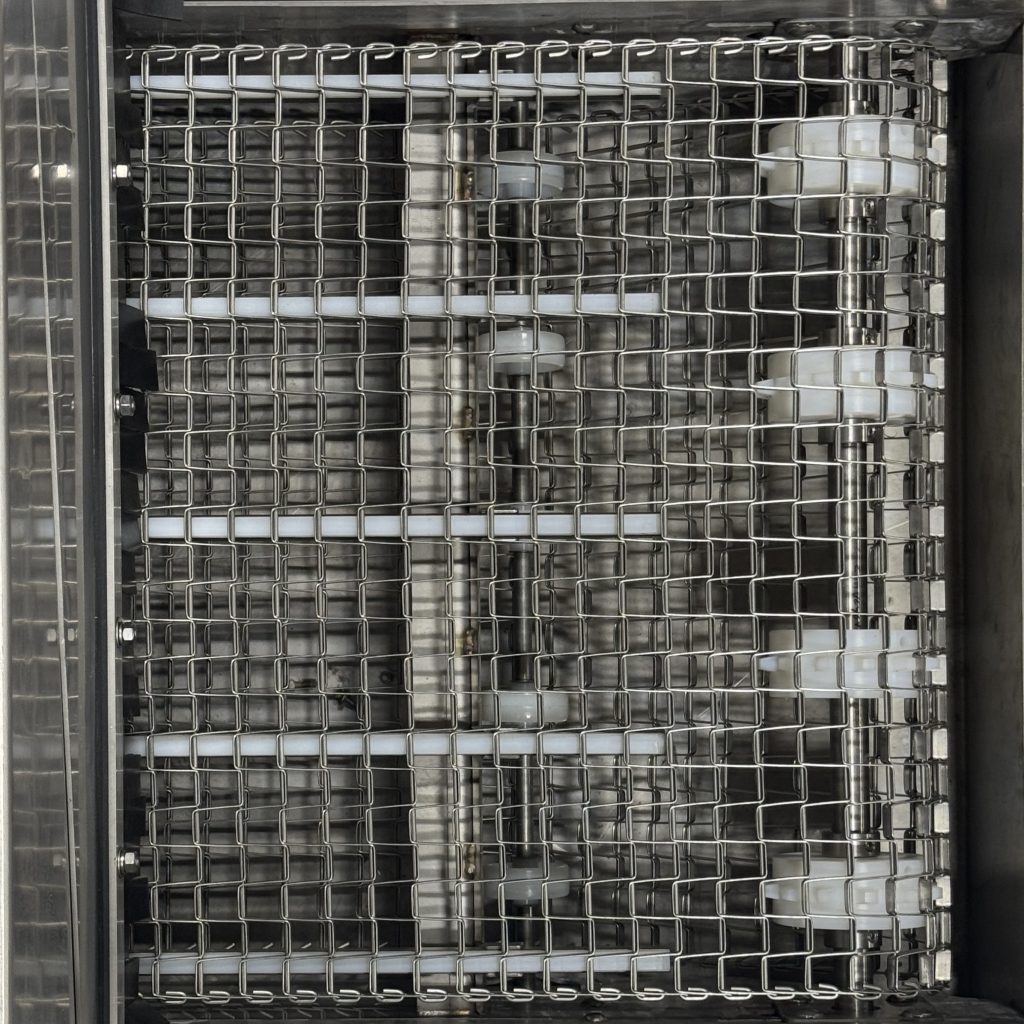
Industrial parts washer conveyor with stainless steel flatwire belt.

Stainless steel flat wire conveyor belt is durable, economical, and has the highest open area of any belt for the best cleaning and drying performance.

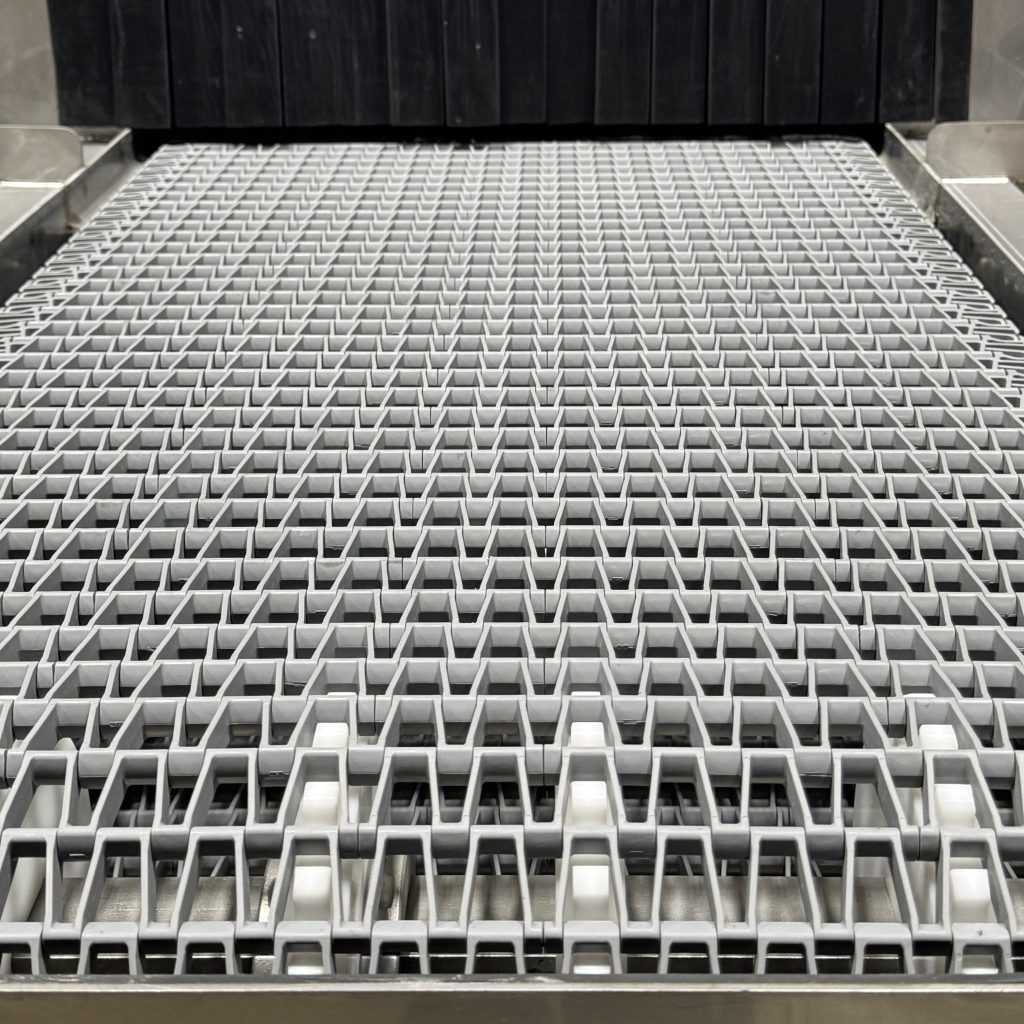
Entrance to an industrial parts washer showing a plastic open mesh conveyor belt passing under removable black rubber curtains

Plastic mesh conveyor belt is used for non-marring applications.  It is more expensive and has less open area than stainless steel flat wire belt.

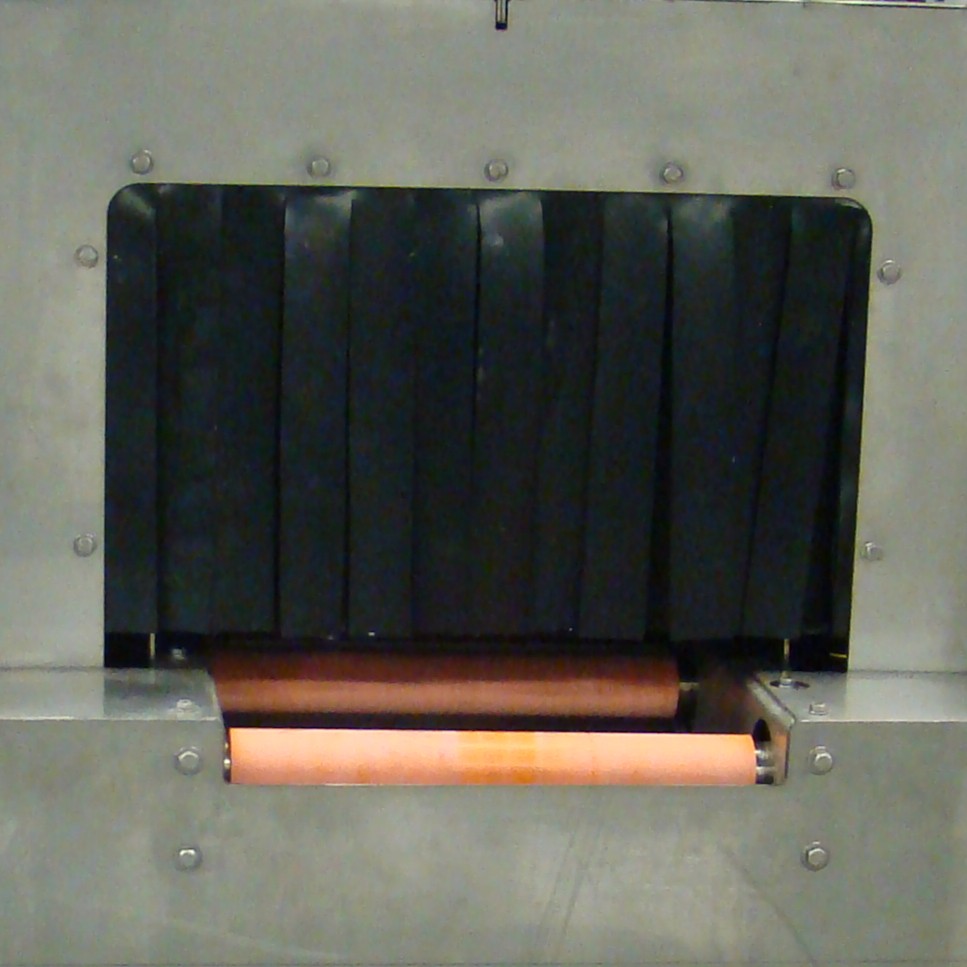
Custom industrial parts washer with a powered roller conveyor and removable black rubber curtains.
Urethane-coated powered rollers work well for long parts such as panels, structural materials, extrusions, and tubing. Open space between the rollers is completely open which is best for cleaning and drying the bottom surface
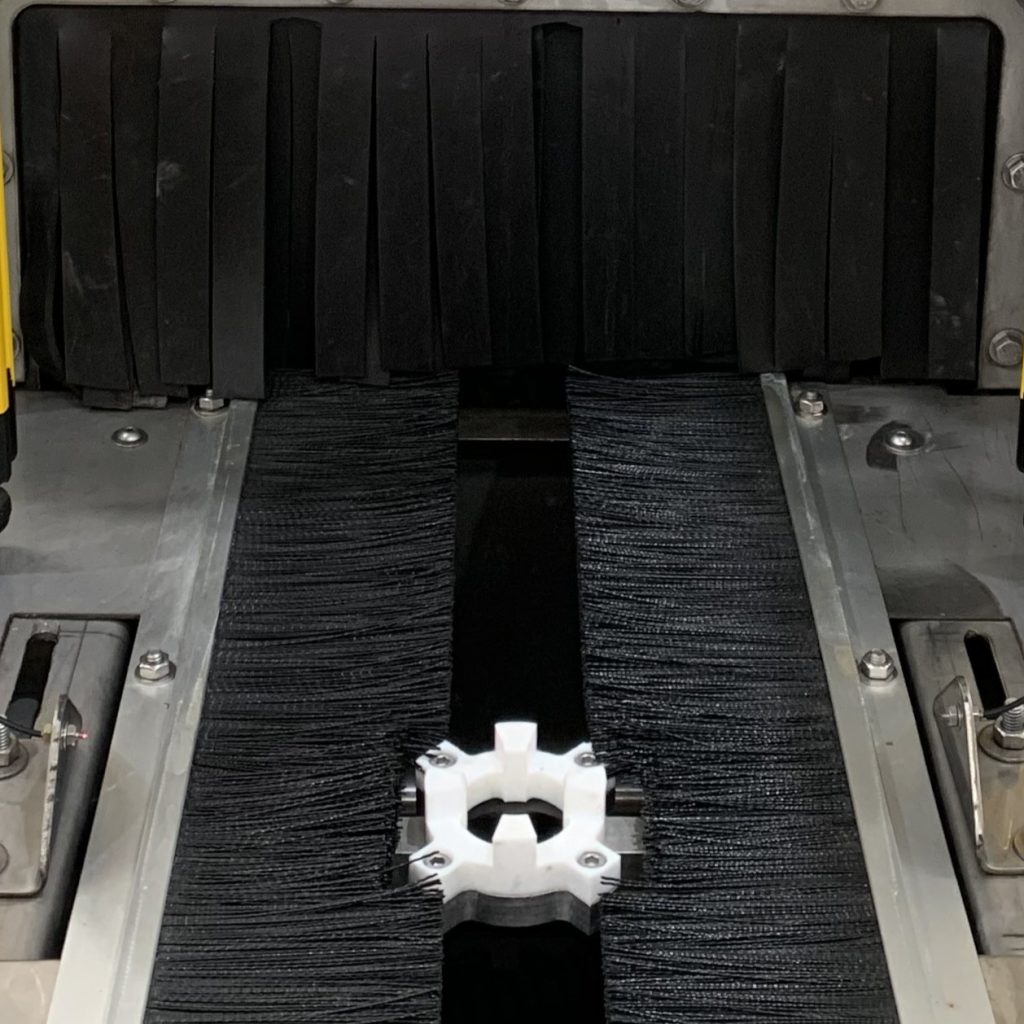
Industrial parts washer with a custom indexing conveyor featuring machined plastic fixtures.
Custom fixtures are normally mounted to chain conveyors, and often index so they can stop during loading and unloading.  Or if your parts are long we will use a powered roller conveyor which provides excellent cleaning and drying performance.
Top view of an industrial parts washer conveyor with stainless steel flatwire belt showing the slider bed composed of flat plastic supports.
We use a slide bed composed of plastic rods which require zero maintenance and support the belt evenly along the entire length of the washer.
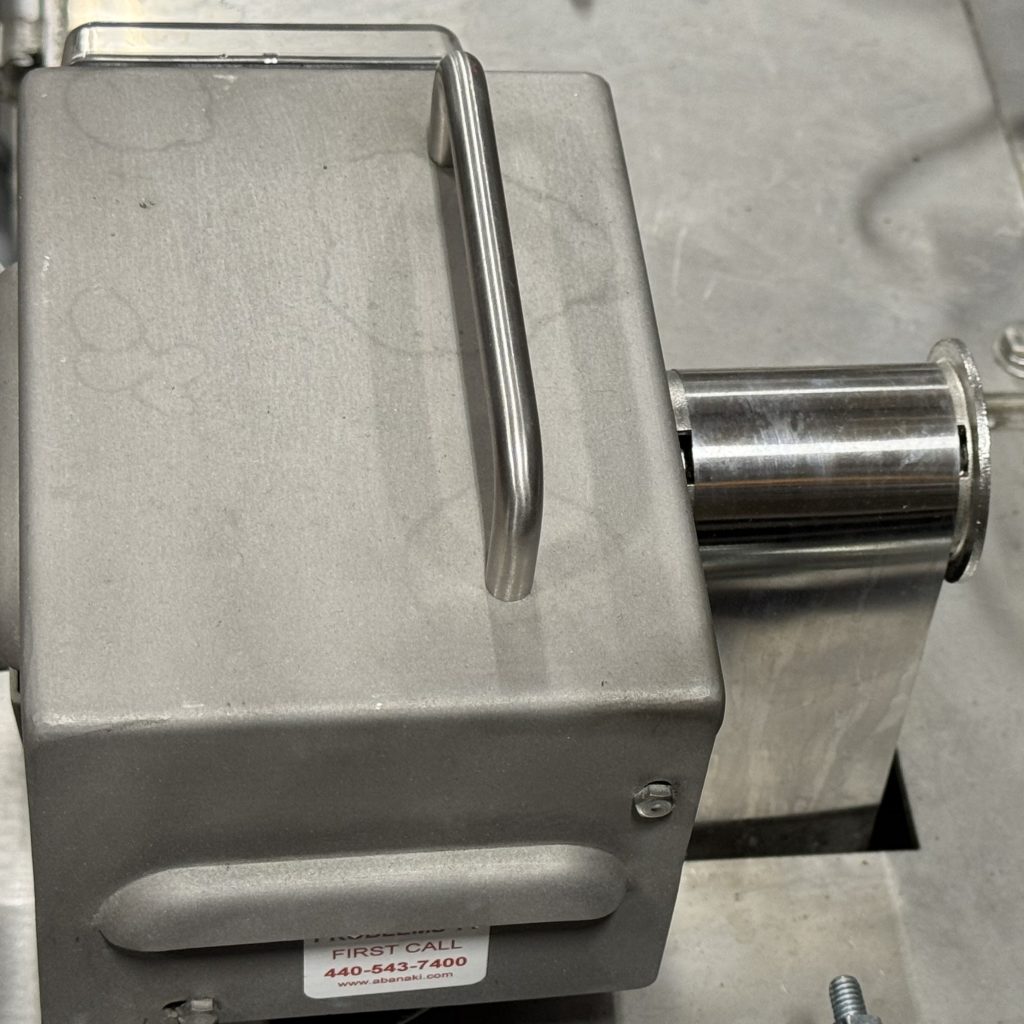
Stainless steel belt skimmer mounted to the sump of an industrial parts washer.
The belt skimmer removes insoluble oils which rise to the surface of the tank. This system works best during an off-shift when oils can settle to the surface.
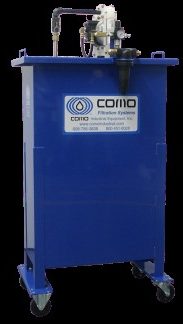
Blue COMO coalescing oil filtration system with wheels and a pneumatic diaphragm pump on the top.
For applications with heavy oil contamination or 24 hour operation we recommend using an oil coalescing filter system. Solution is continuously removed from the washer tank, cleaned, and then returned to the washer tank.
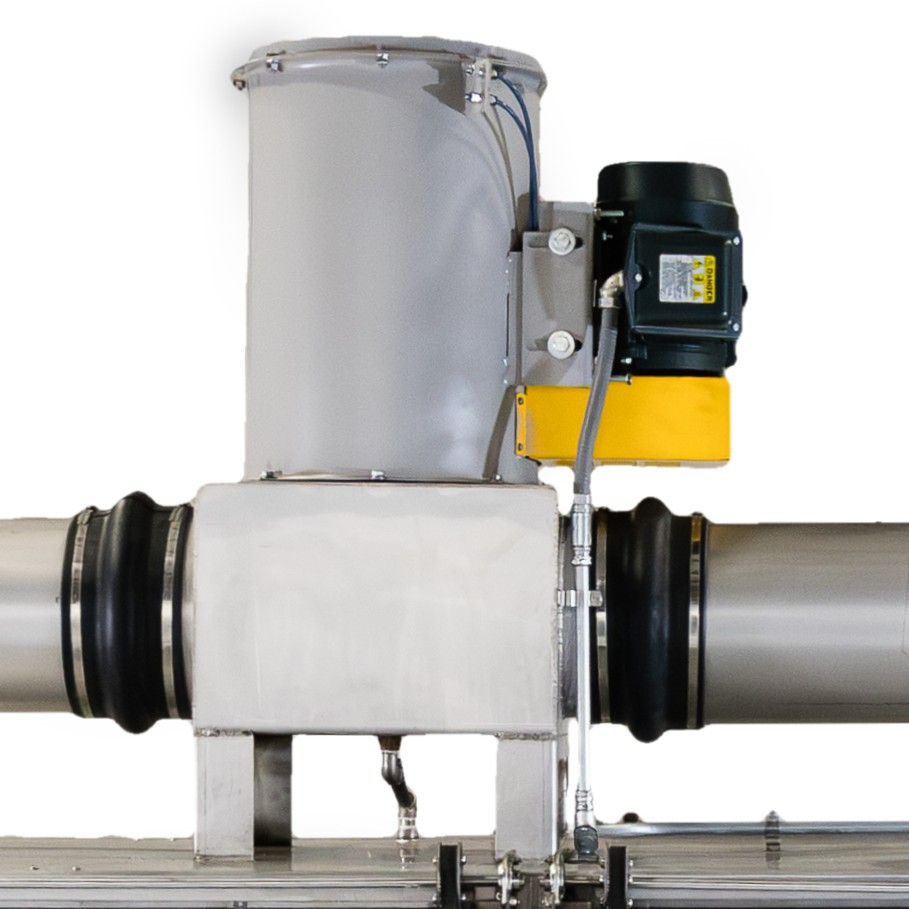
Exhaust plenum of a large industrial parts washer with an exhaust fan for removing moist air from the wash chamber.
An exhaust fan removes steam from the washer and exhausts it through a customer-supplied stack.
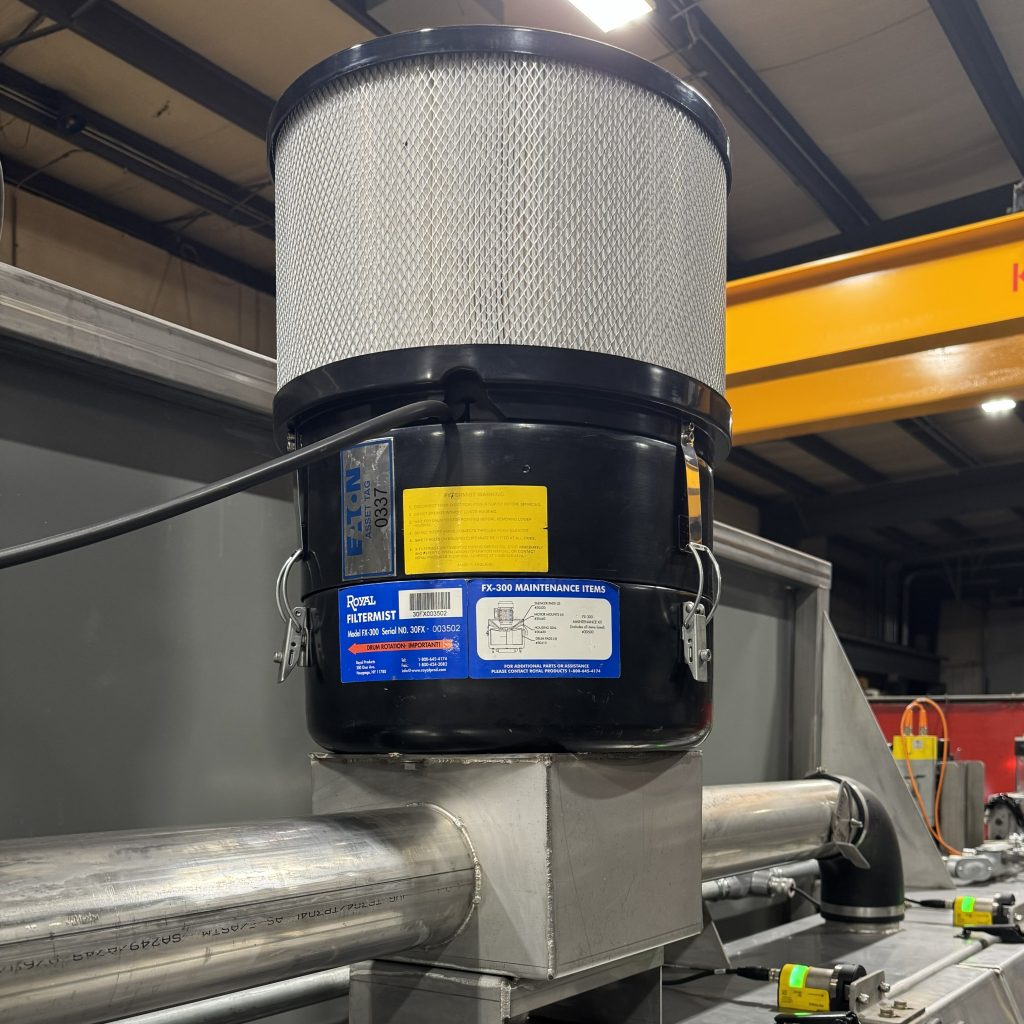
Royal Filtermist mist collector mounted to an exhaust plenum above an industrial parts washer.
A mist collector condenses steam and returns it to the wash tank. Air passes through a combination of filters and is exhausted back into the plant.
Most parts can be dried effectively with high velocity ambient air stripping moisture from the part. Inline uses a combination of air knives and nozzles depending on part geometry.
Side view of an industrial parts washer with a guarded inline electric air heater.
Certain applications such as lightweight parts or fast line speeds may require heated air to effectively dry parts. Inline has two options for heating the air: 1) traditional electric heaters, 2) closed-loop recirculation through the blower heats the air up to 185 F (85 C). This recirculating system has the advantage of zero additional energy usage.
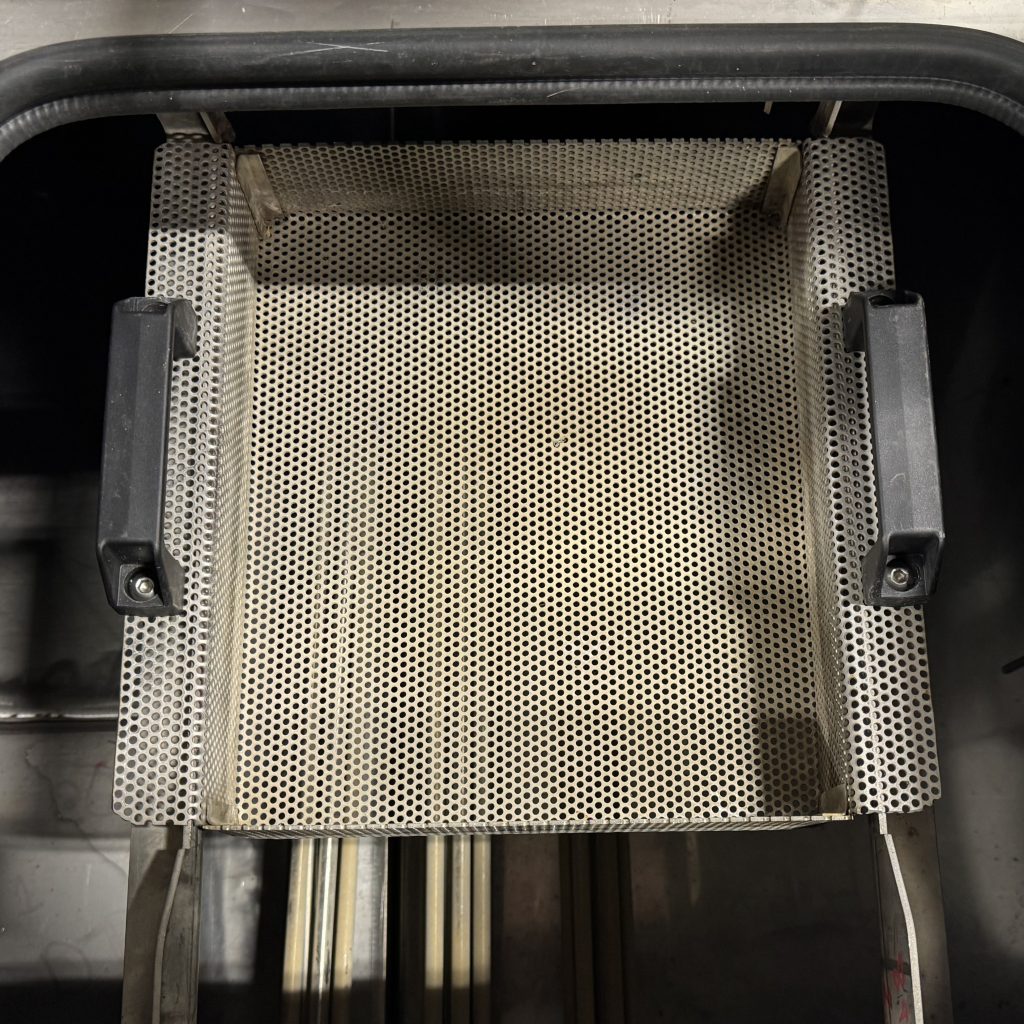
Top view of a perforated removable filter basket for an Inline Cleaning Systems industrial parts washer.
Larger debris is caught by the removable chip basket before the water enters the tank, protecting the pump and extending filter life.
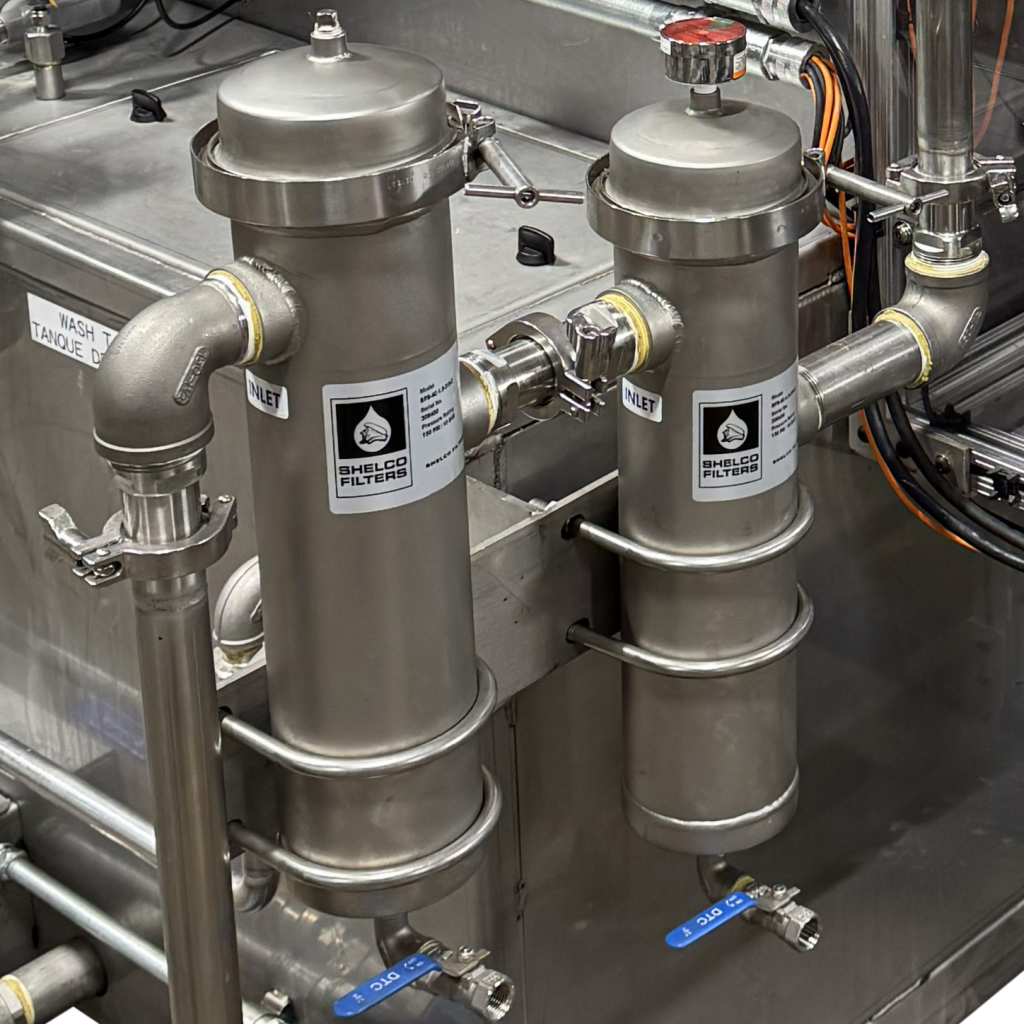
Two Shelco stainless steel bag filter housings provide multi-stage filtration for an industrial parts washer.
Water exits the pump and passes through a bag filter before being sprayed into the wash or rinse zone. Bags are chosen based on cleanliness requirements, often 100 or 200 micron mesh but we commonly use them for applications down to 10 microns or less. When small ferrous contamination must be removed (for example from grinding), we add an additional bag filter housing and include a permanent magnet to catch the ferrous particles before they reach the 2nd stage bag filter.
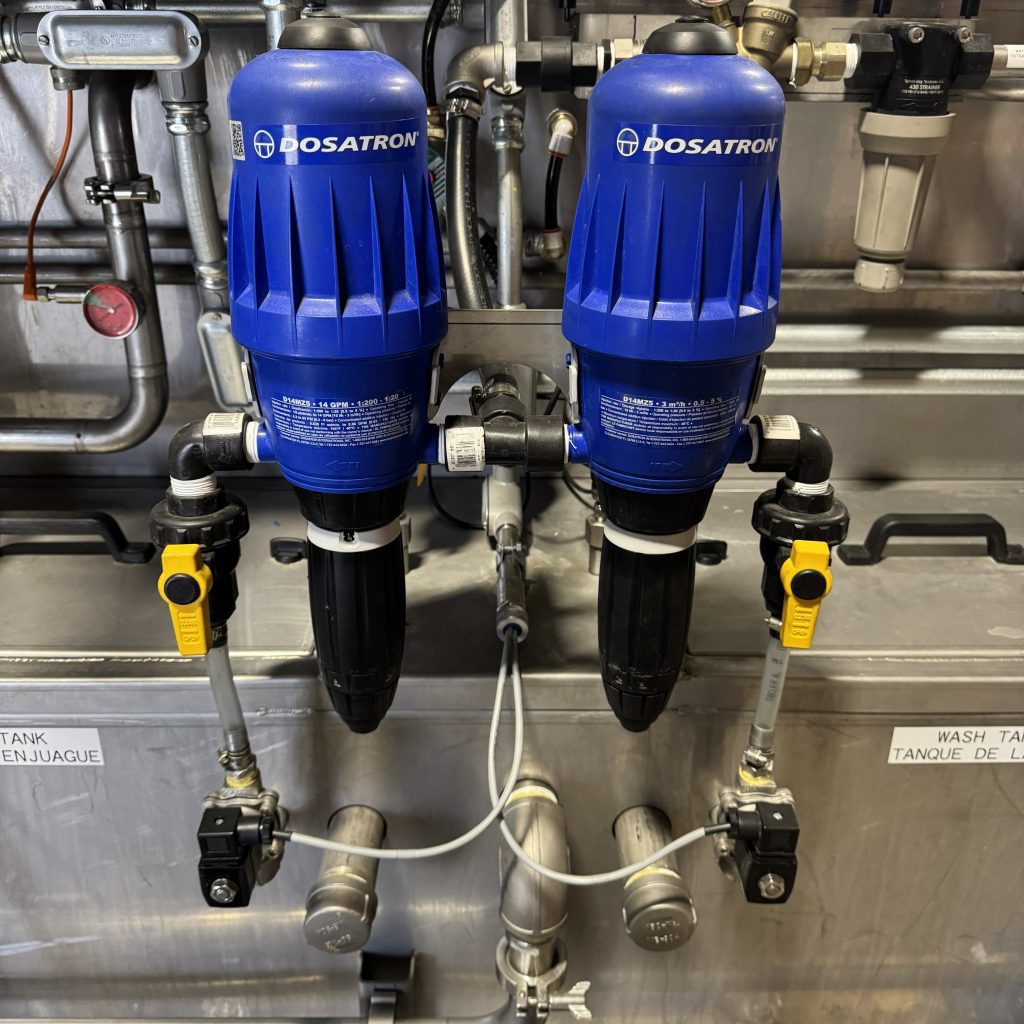
Two blue Dosatron proportional mixing units mounted to the water inlet of an industrial parts washer.
Proportional mixers or programmable dosing systems help automatically maintain chemical concentration in the tank when fresh water is added.
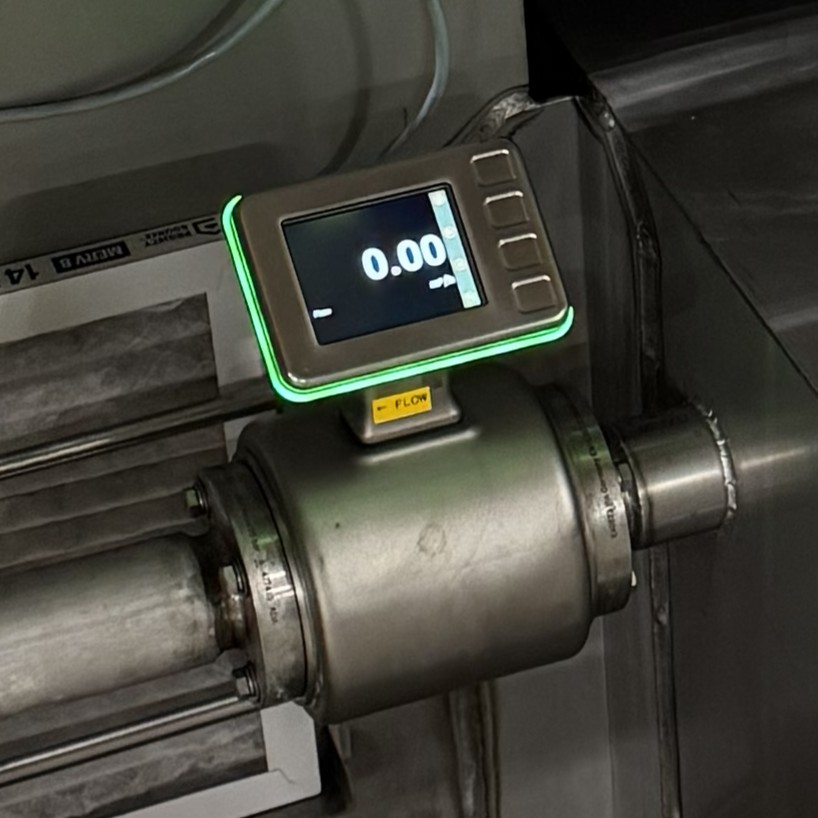
Digital inline sensor mounted to an industrial parts washer for detecting chemical concentration in the wash solution.
Conductivity and pH are commonly used to monitor chemical concentration and even control chemical dosing if desired.
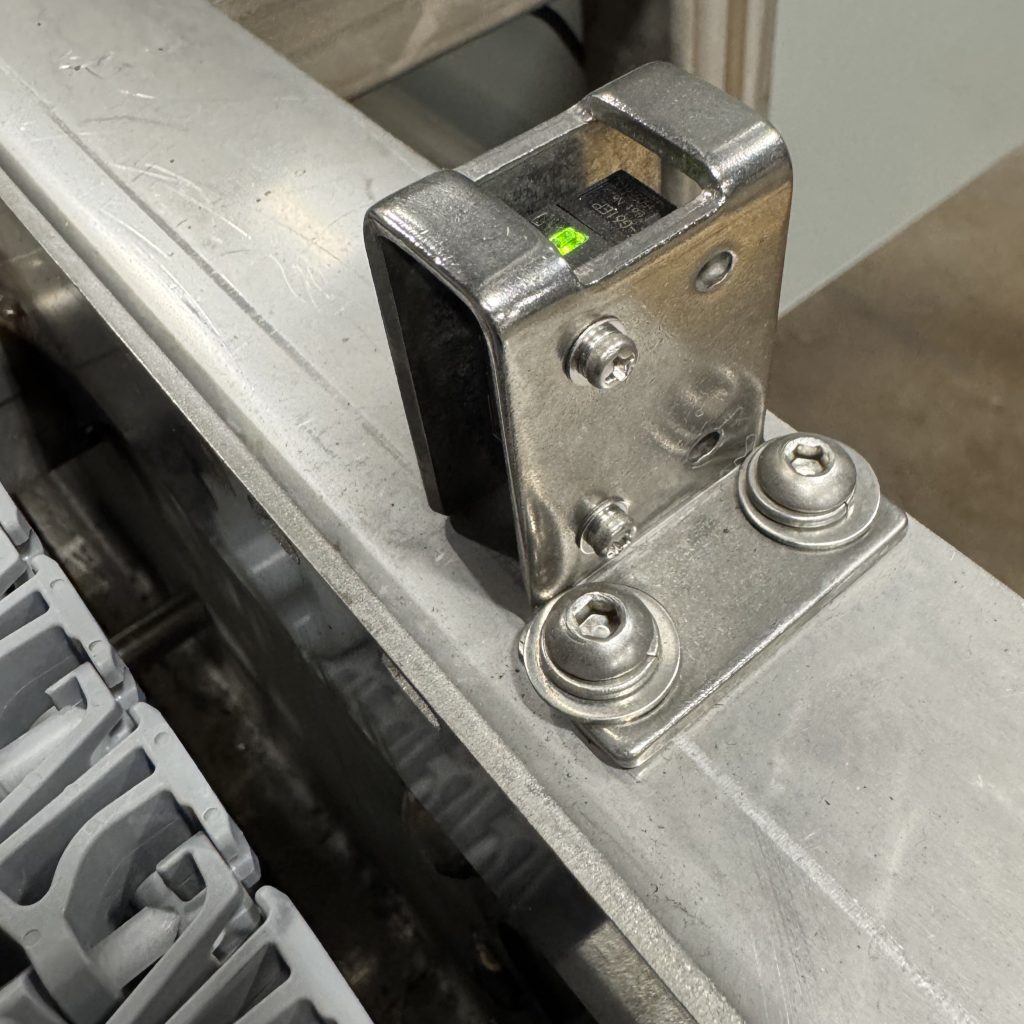
A photo sensor mounted near the conveyor of an industrial parts washer for sensing part presence.
Sensors detect when parts are present, or when loading zones are open and ready. Inline will customize sensors based on your product and process.
Loading or unloading parts often requires additional automation such as pick and place systems or robot integration. Inline can handle integration and complete system design.
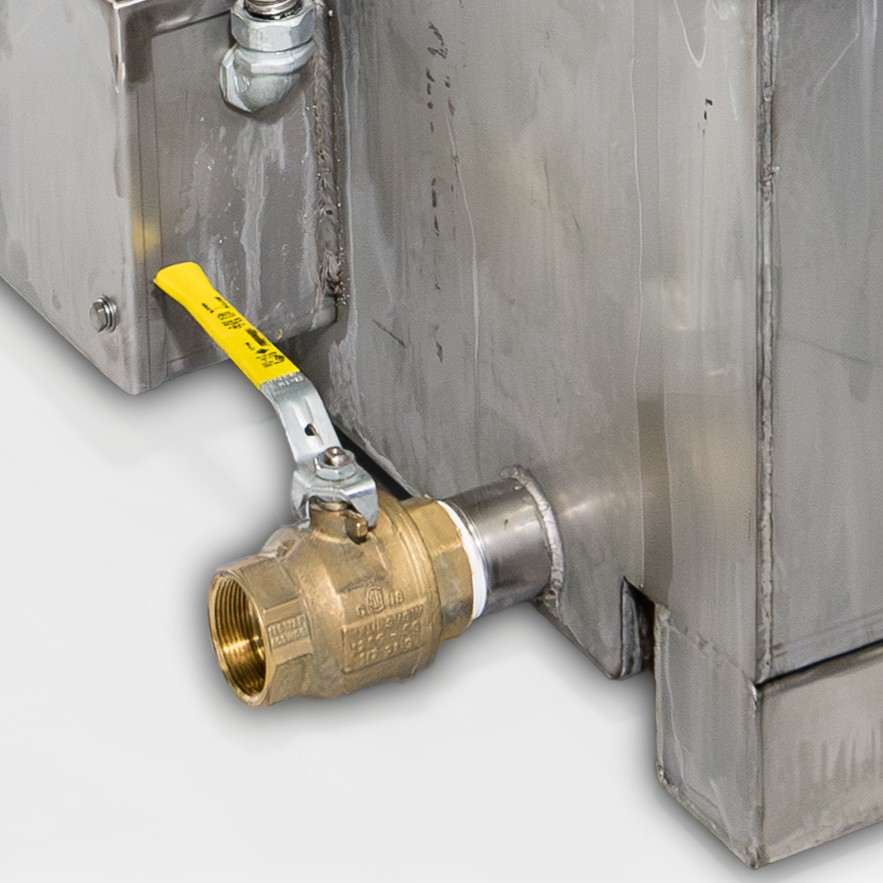
Close-up of an industrial parts washer sump showing a drop pan allowing 100% draining of the sump.
Inline includes a drop pan under the pump which allows the washer to completely drain down to the bottom of the tank.
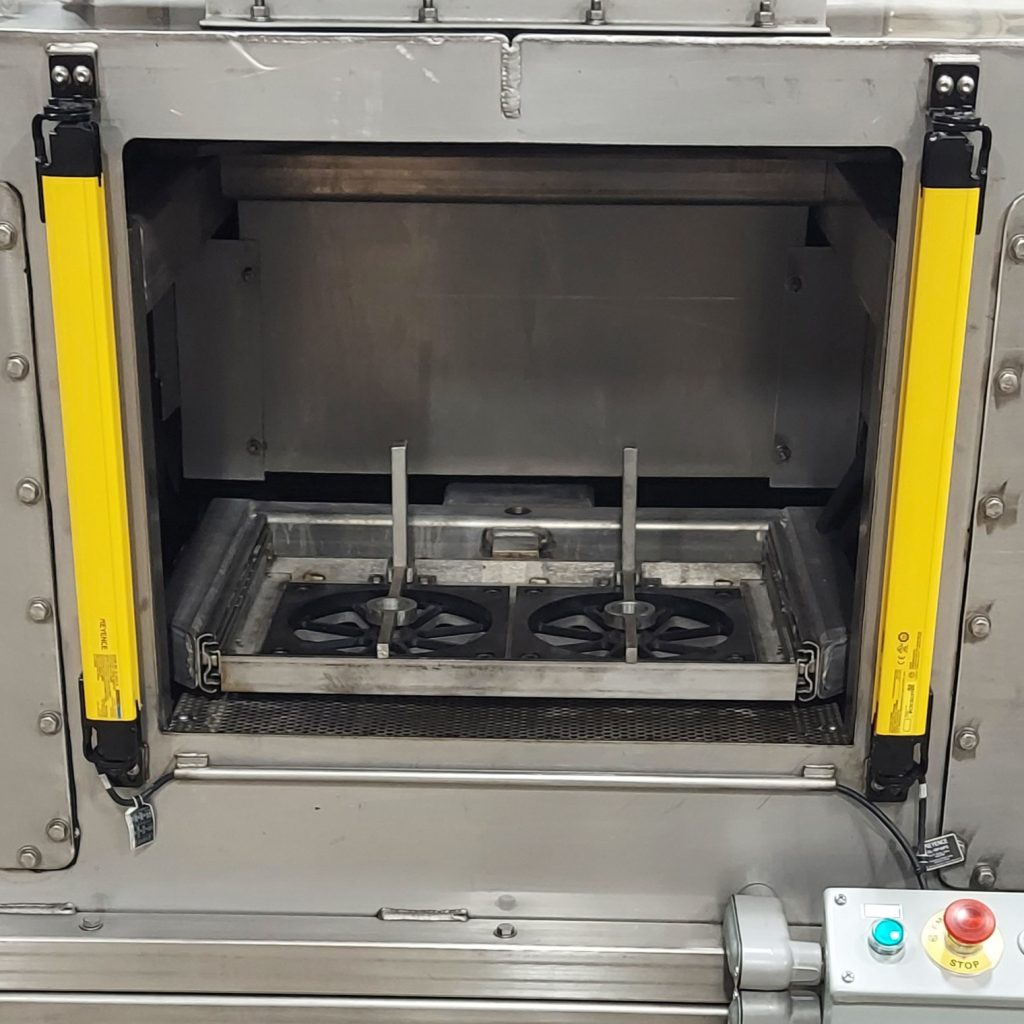
Carousel style parts washer with light curtains guarding the moving internal portions of the machine.
Inline washers include a category 3 safety rating, with a dedicated safety controller using dual monitored contacts and safe torque off on drives.
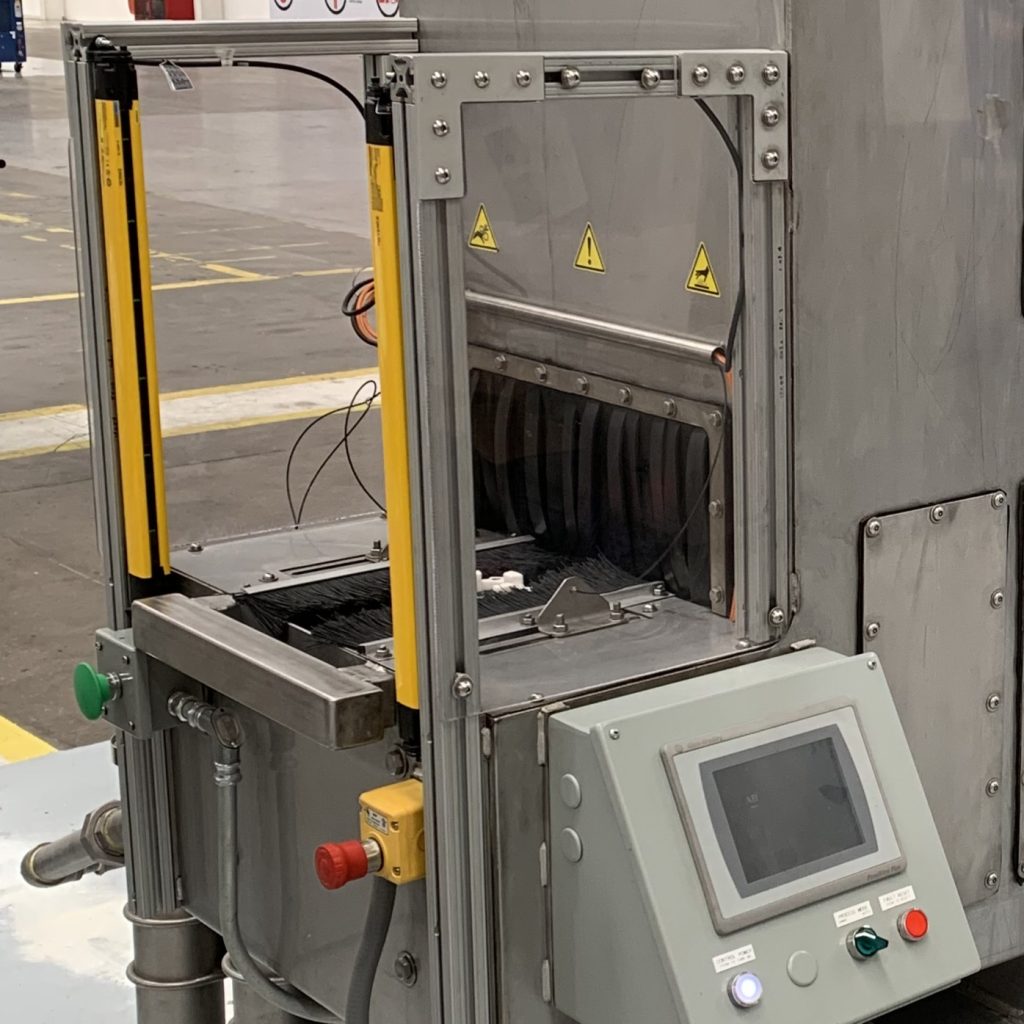
Custom industrial parts washer with light curtains and mechanical guarding protecting the infeed conveyor.
Guarding or light curtains are added based on the application and your specific safety requirements.
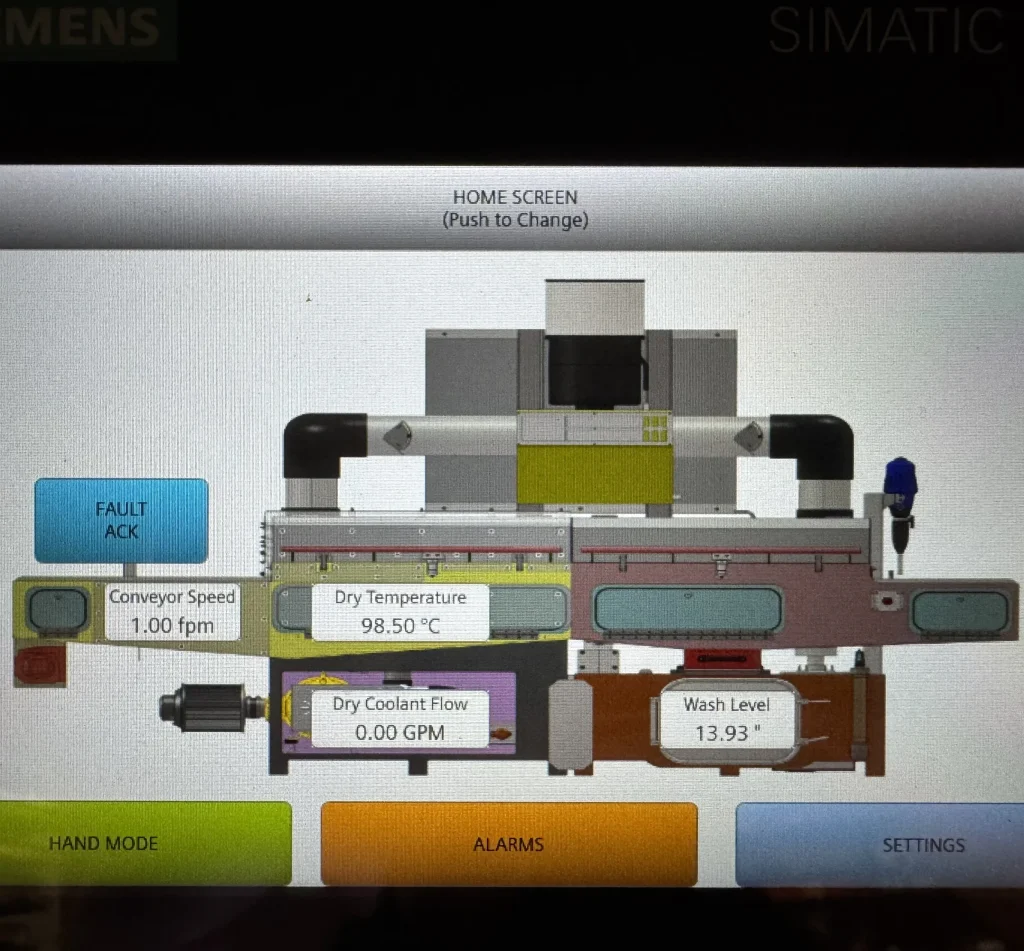
Touchscreen HMI interface showing process measurements including temperature, conveyor speed, wash water level, and air flow.
Inline uses a color touchscreen HMI to program and display process information. We use Allen Bradley and Siemens controls with a variety of HMI brands to match your plant specification